3:00 PM - 5:00 PM | Session J: Science of Skin Longevity
Neutralizing Lifestyle-Induced Skin Aging: An Innovative Cyclic Peptide Targeting HMGB1 to Reverse Environmental and Stress-Related Inflamm-aging
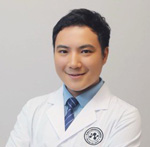
Presented by
Dr. Junxiang Li
AGECODE / Tsinghua University
Abstract
UV exposure, pollution and psychological stress can compromise skin resilience and accelerate visible aging. Extracellular high-mobility group box 1 (HMGB1), released by stressed or damaged cells, amplifies inflammatory signaling through receptor pathways such as RAGE and TLR4. We targeted this upstream damage signal to develop cIY8, a computationally designed cyclic peptide for interrupting the inflammatory cascade. Protein-peptide interaction modeling and molecular dynamics guided a disulfide-constrained structure designed to block HMGB1-associated signaling. Cellular assays demonstrated reduced inflammatory cytokine expression and inhibition of NF-κB nuclear translocation. In a placebo-controlled study of 30 volunteers, a lotion containing 7.5 ppm cIY8 significantly improved skin redness, wrinkle depth and volume after 28 days. These results connect molecular design with visible cosmetic benefits. By intercepting an extracellular amplifier of cellular stress, this approach addresses a mechanistic link between recurring damage, persistent inflammation and skin aging, establishing HMGB1-directed peptide design as an innovative strategy for lifestyle-relevant skincare.
Speaker Biography
Dr. Junxiang Li is Deputy Director of the AGECODE R&D Center at the Yangtze Delta Region Institute of Tsinghua University. He earned his Ph.D. from the School of Life Sciences at Tsinghua University in 2017 and completed postdoctoral training there. His research background spans bioinformatics, tissue engineering, and regenerative medicine. Since 2018, he has focused on discovering, developing, and applying active ingredients for efficacy-driven skincare, using AI-enabled computational biology to advance ingredient innovation. Dr. Li has extensive experience in the development and translation of innovative protein, peptide, and other bioactive ingredients. He has published nearly 20 SCI-indexed papers and holds nearly 20 granted invention patents. He is a member of the International Federation of Societies of Cosmetic Chemists (IFSCC).
Oral Supplementation with Recombinant Type XXI Signaling Collagen for Reliable Skin Benefits

Presented by
Jose M Melo Barcelos
Geltor
Abstract
Collagen supplementation is a staple of beauty-from-within regimens. Recombinant technology unlocks access to rarer, intentionally selected collagen molecules, such as Type XXI, a signaling collagen involved in extracellular matrix organization, with scalability, high consistency, and end-to-end traceability. This study evaluated the absorption and skin efficacy of oral supplementation of a recombinant Type XXI collagen polypeptide relative to animal-derived collagen. In a double-blind pharmacokinetic study, the two sources showed no significant differences in plasma amino acid absorption. In a 12-week randomized trial, the recombinant polypeptide improved skin firmness at 1g and 2.5g daily doses, significantly outperforming placebo, with consistently higher average outcomes than animal collagen in wrinkle-depth reduction and hydration. Notably, the recombinant polypeptide delivers these benefits without any hydroxylated amino acids, challenging the long-held assumption that hydroxyproline is essential for collagen bioactivity.
Speaker Biography
José Melo Barcelos is Vice President of Product at Geltor, a biodesign company pioneering polypeptides and peptides engineered for cosmetic benefits across topical and ingestible applications. At Geltor, his leadership spans Applications, Efficacy, and Program Management, translating molecular innovation into ingredients built to integrate easily into formulations and deliver demonstrable performance. José holds a bachelor's degree in chemical engineering from the University of São Paulo, Brazil, and a master's degree in process engineering from ENSGTI, France. Prior to Geltor, he led research projects in formulation and process technologies at L'Oréal, and has since advanced through roles across product development, innovation management, and strategic partnerships.
Next Gen Biotech Human Identical Milk Oligosaccharides for Sensitive Skin

Presented by
Mathias Gempeler
dsm-firmenich
Abstract
Human milk oligosaccharides (HMOs) are bioidentical glycans with emerging potential for skin health. We investigated the efficacy of two distinct HMOs, 3′-sialyllactose (3-SL) and LNnT/HNnT, in sensitive and rosacea-prone skin. In vitro and ex vivo studies assessed oxidative stress, inflammatory markers, TRPV1 activation, collagen synthesis, and microbiome adhesion. Clinical efficacy was evaluated in two randomized, double-blind, half-face, placebo-controlled studies (8 weeks) in volunteers with subtype III rosacea.
3-SL significantly reduced HEV-induced ROS and UVB-induced inflammatory mediators while promoting a favorable microbiome balance through reduced Staphylococcus aureus and enhanced Staphylococcus epidermidis adhesion. Clinically, it improved skin hydration (+13%), reduced transepidermal water loss (TEWL, −16%), and decreased visible redness versus placebo. LNnT/HNnT reduced ROS, UV/retinol-induced cytokines, and TRPV1 activation, while shifting adhesion away from Cutibacterium acnes toward Lactobacillus crispatus. Clinically, it reduced TEWL (−19%), erythema (−38%), and improved elasticity. These findings establish HMOs as a differentiated ingredient class for sensitive skin care.
Speaker Biography
Mathias holds a Ph.D. in Pharmacy from the University of Basel and a postgraduate degree in Marketing from KS St. Gallen. He joined DSM through the acquisition of Pentapharm in 2017 as Head of Global Marketing for Skin Care at dsm-firmenich, where he led the definition and execution of the global growth strategy. He currently leads global research for bioactives and vitamins, driving innovation across multidisciplinary teams. In parallel, he provides scientific leadership for dsm-firmenich’s personal care activities in the fields of skin longevity, microbiome, and biotechnology, advancing cutting-edge solutions in these areas.
Hyaluronic Acid Oligosaccharides as a Synergistic Booster for Chondroitin Sulfate‑Induced Sulfated Glycosaminoglycan Regeneration in Human Dermal Fibroblasts

Presented by
Dr. Xin Sun
Bloomage Biotech. Co. Ltd
Abstract
Abstract Coming Soon
Speaker Biography
Dr. Xin Sun is Director of the Institute of Life Science Materials Application at Bloomage Biotechnology. He earned a Ph.D. in Inorganic Chemistry from the University of Oxford, UK, and both an M.Eng. and a B.Sc. in Applied Chemistry from Peking University, China. A seasoned expert in bioactive ingredients, Dr. Sun previously served as an R&D Manager at Procter & Gamble. His research focuses on the applications and mechanisms of bioactive materials, including hyaluronic acid, ergothioneine, and sialic acid, across skincare, nutrition, oral care, hair care, medical aesthetics, and ophthalmic and orthopedic medical devices. He also drives innovation in biomanufacturing and the translation of cross-disciplinary technologies. Dr. Sun has filed more than 30 patents and published over 30 papers in journals such as ACS Omega, Food & Function, and Dalton Transactions. He is also a frequent keynote speaker at international conferences.
Targeting Mitochondrial Skin Aging: Restoring Bioenergetics and Barrier Function Through Keratinocyte–Microbiome Interactions

Presented by
Philip Ludwig
Croda
Abstract
Abstract Coming Soon
Speaker Biography
Philip holds an M.S. in Cell and Molecular Biology from Michigan State University and joined Croda in 2026, where he drives strategic growth for bioactives by partnering with R&D and customers across North America to translate technical insights into commercial opportunities. During his time in R&D, his final three product launches collectively earned five international awards at PCHi and In-Cosmetics, recognizing them as either Best New Ingredient or Most Innovative. Philip is the author of multiple patents and more than a dozen research publications in the field of personal care ingredients. He has presented at numerous industry conferences and seminars and was honored with the Hans Schaeffer Award in both 2020 and 2021 for delivering the most innovative cosmetic science paper.